
If your content isn’t ranking, the problem often isn’t your writing—it’s search intent. Search engines don’t rank pages based on effort or word count. They rank pages based on how well the content matches what the searcher actually wants.
This guide explains what search intent is, why it matters for SEO, and how to match your content to intent so it ranks.
What Is Search Intent?
Search intent is the reason behind a search query.
When someone types a phrase into Google, they’re trying to:
- Learn something
- Compare options
- Complete an action
Search engines prioritize content that best satisfies that goal.
If your page doesn’t match the intent—even if it’s well-written—it won’t rank.
Why Search Intent Matters for SEO
Google’s goal is simple: deliver the best possible result for every query.
If users click your page and leave quickly, that’s a signal your content didn’t meet expectations. Over time, pages that consistently satisfy intent rise in rankings.
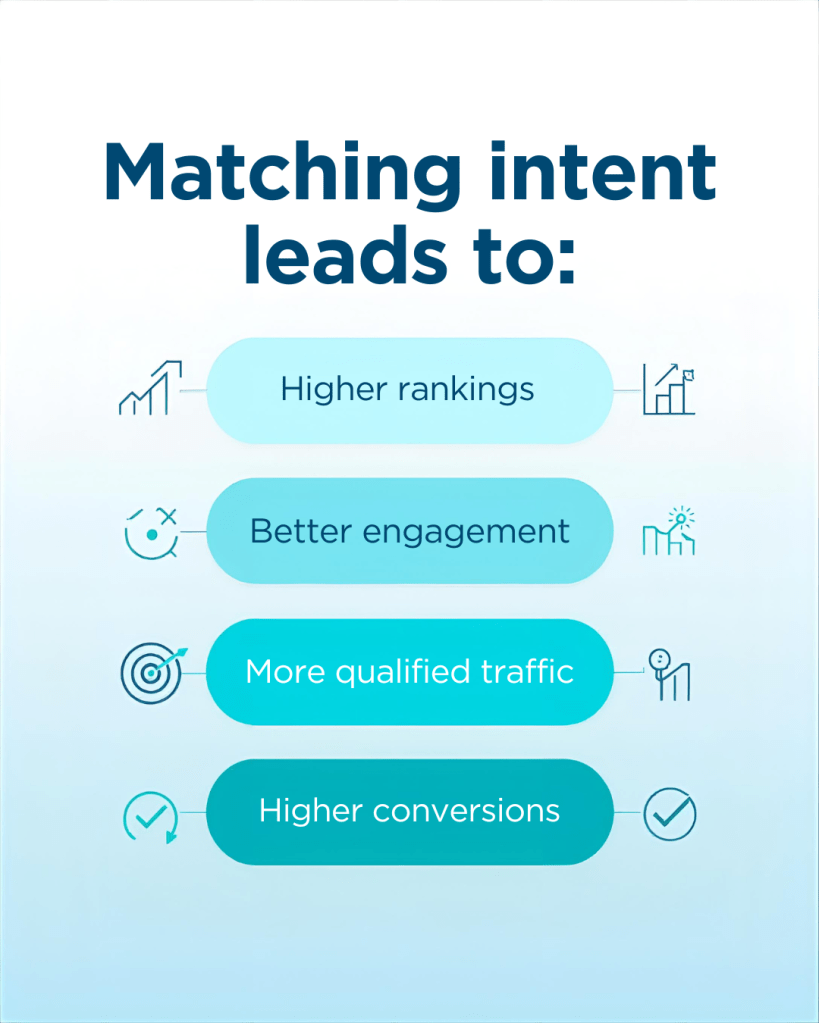
Matching intent leads to:
- Higher rankings
- Better engagement
- More qualified traffic
- Higher conversions
The Four Main Types of Search Intent
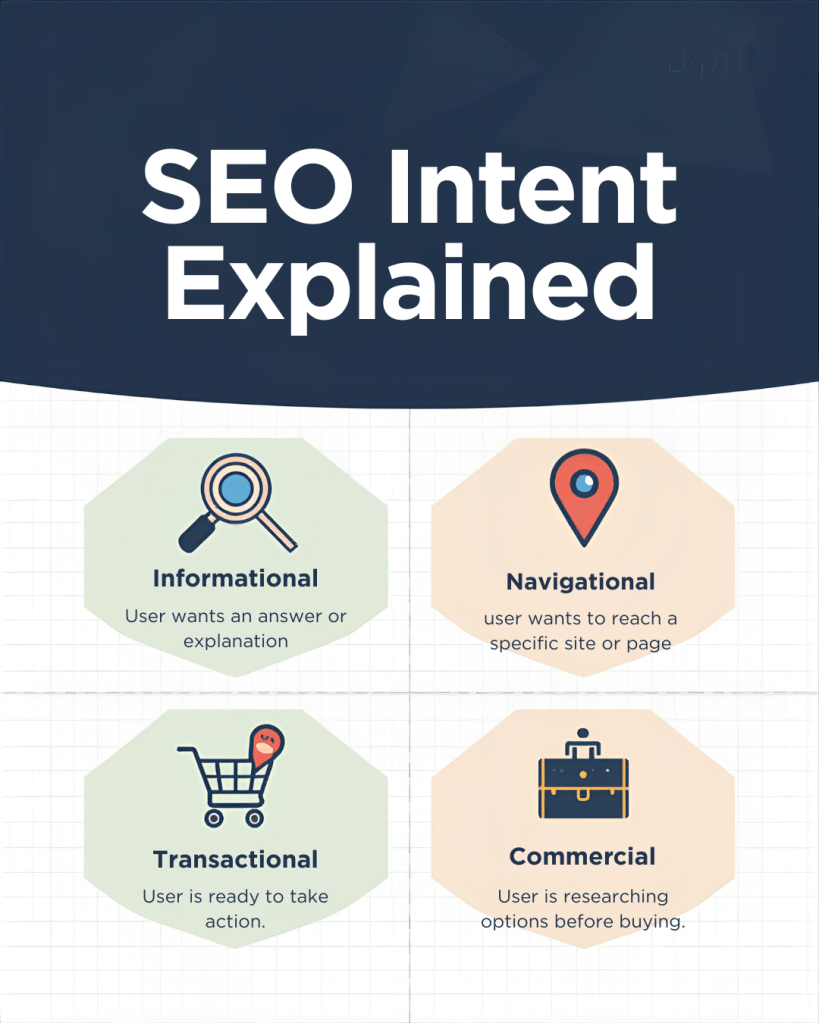
Most searches fall into one of four categories.
1. Informational Intent
The user wants an answer or explanation.
Examples:
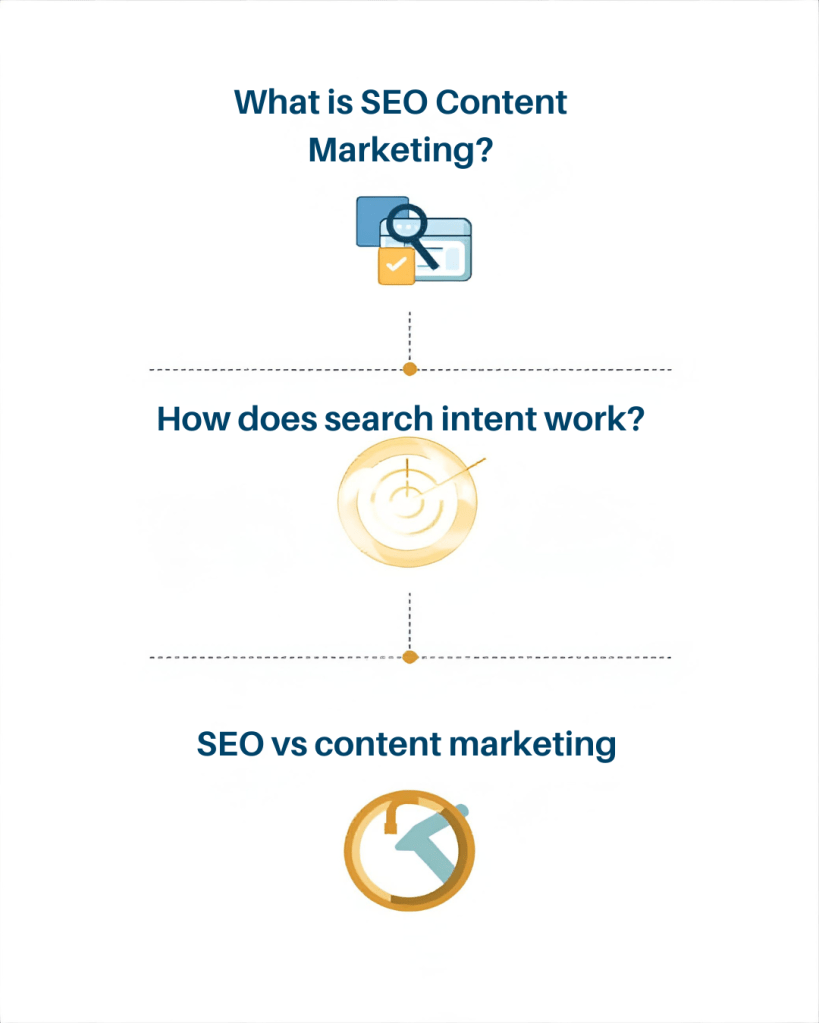
- “What is SEO content marketing”
- “How does search intent work”
- “SEO vs content marketing”
Best content types:
- Blog posts
- Guides
- Tutorials
- Explainer articles
Goal: Educate clearly and thoroughly.
2. Navigational Intent
The user wants to reach a specific site or page.
Examples:
- “Google Search Console login”
- “WordPress dashboard”
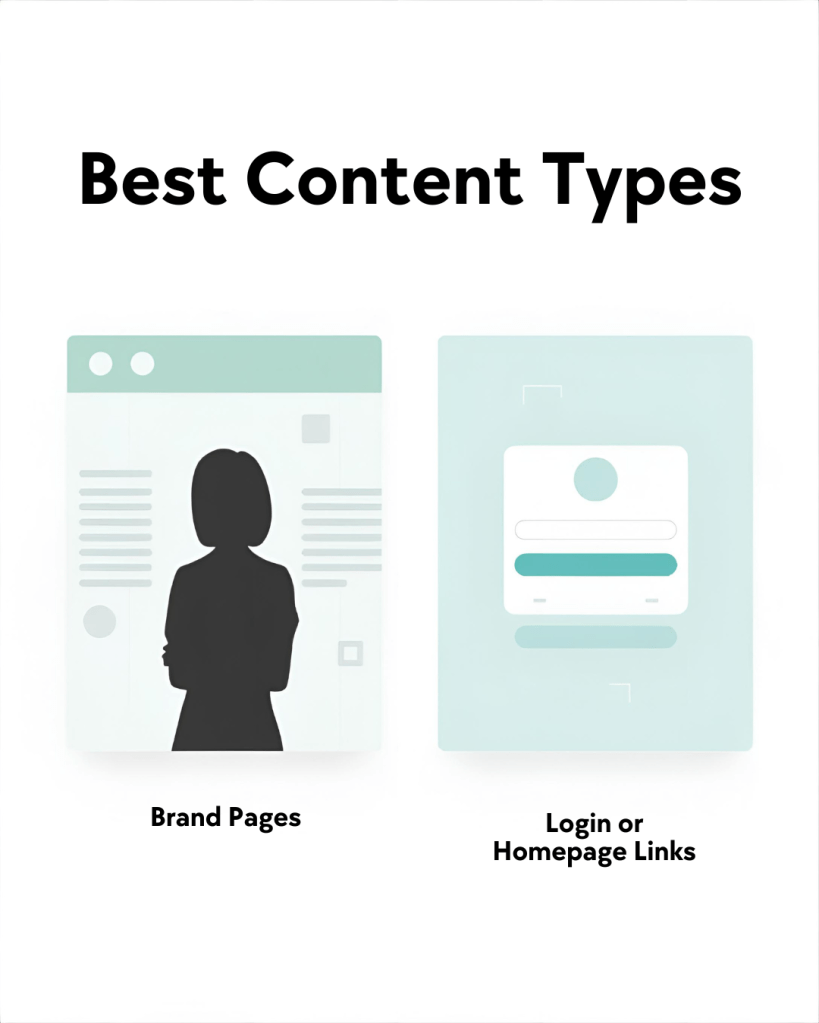
Best content types:
- Brand pages
- Login or homepage links
Goal: Help users get where they want to go (this usually isn’t blog content).
3. Commercial Intent
The user is researching options before making a decision.
Examples:
- “Best SEO content tools”
- “Content marketing services for small businesses”
- “SEO writer vs copywriter”
Best content types:
- Comparison posts
- Listicles
- Case studies
- Service pages
Goal: Help users evaluate and choose.
4. Transactional Intent

The user is ready to take action.
Examples:
- “Hire SEO content marketer”
- “Buy keyword research tool”
Best content types:
- Sales pages
- Landing pages
- Product pages
Goal: Convert.
How to Identify Search Intent (Step-by-Step)

You don’t need fancy tools to identify intent. Start with the search results.
Step 1: Google the Keyword
Search your target keyword and look at:
- Page titles
- Content format
- Type of pages ranking
Ask:
- Are the results mostly blog posts or product pages?
- Are they guides, lists, or comparisons?
Google is already showing you what intent it favors.
Step 2: Look for Patterns
If most results are:
- Long guides → informational intent
- “Best” lists → commercial intent
- Service pages → transactional intent
Your content should match that pattern.
Step 3: Check the Language Used
Intent clues are often in the wording:
- “How to” → informational
- “Best” or “Top” → commercial
- “Hire” or “Buy” → transactional
How to Match Content to Search Intent
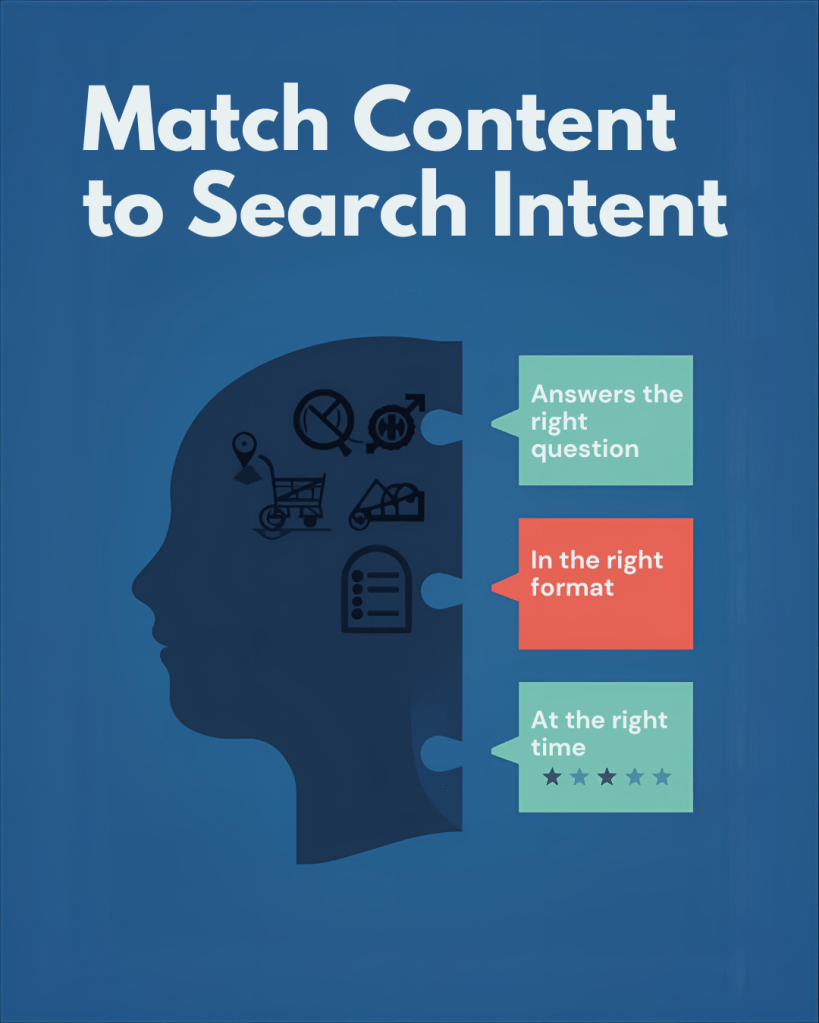
Once you know the intent, your content should reflect it from top to bottom.
Match the Content Format
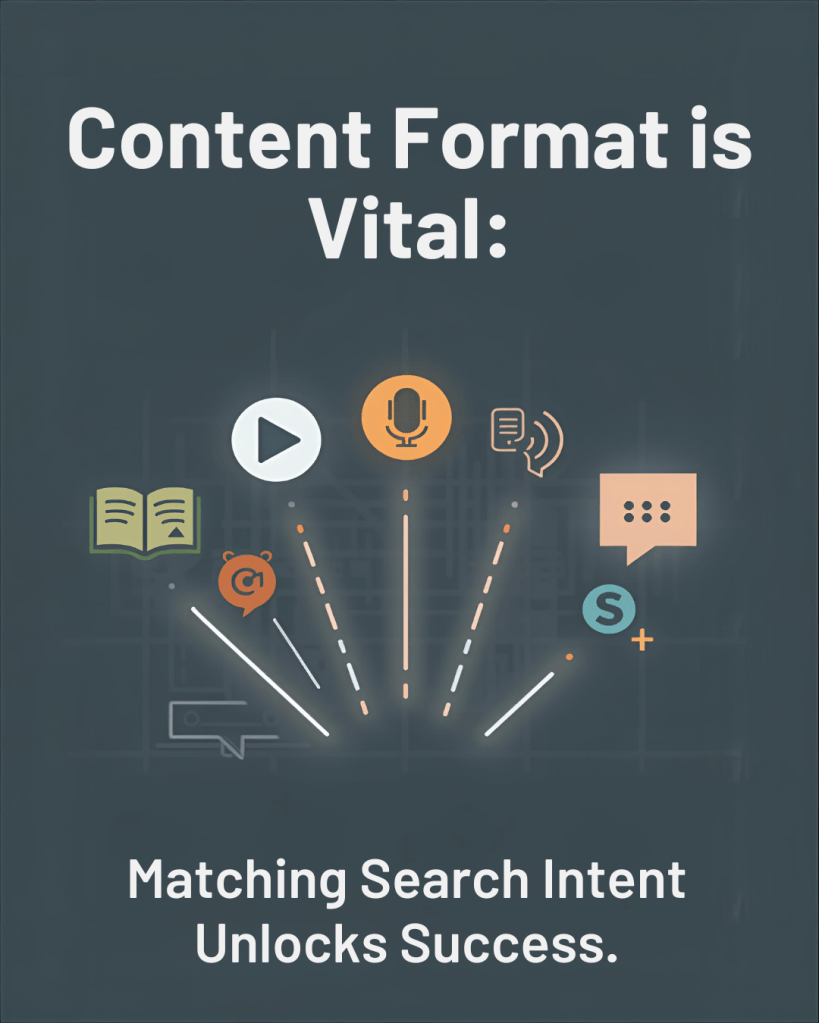
If search results are:
- Guides → write a guide
- Lists → write a list
- Comparisons → write a comparison
Trying to rank a sales page for an informational keyword won’t work.
Match the Content Depth

Don’t overdo or underdeliver.
- Simple questions need clear answers
- Complex topics need structured depth
Look at the average length and coverage of ranking pages and aim to be more helpful, not just longer.
Match the CTA to the Intent

This is where many pages fail.
Examples:
- Informational post → link to related guides or resources
- Commercial post → link to case studies or services
- Transactional page → clear conversion CTA
Your call-to-action should feel natural, not forced.
Common Search Intent Mistakes
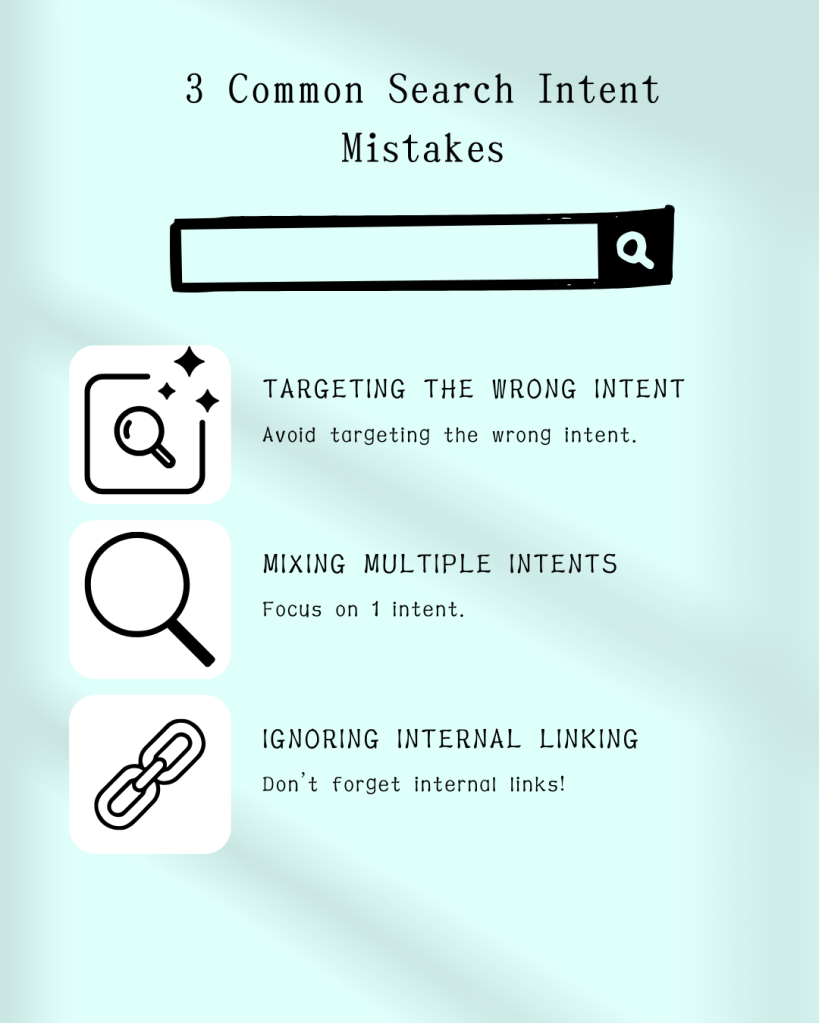
Targeting the Wrong Intent
Writing a blog post when Google favors service pages—or vice versa.
Mixing Multiple Intents
Trying to educate, sell, and compare all in one post.
Ignoring Internal Linking
Not guiding users to the next logical step based on intent.
Search Intent and Content Strategy
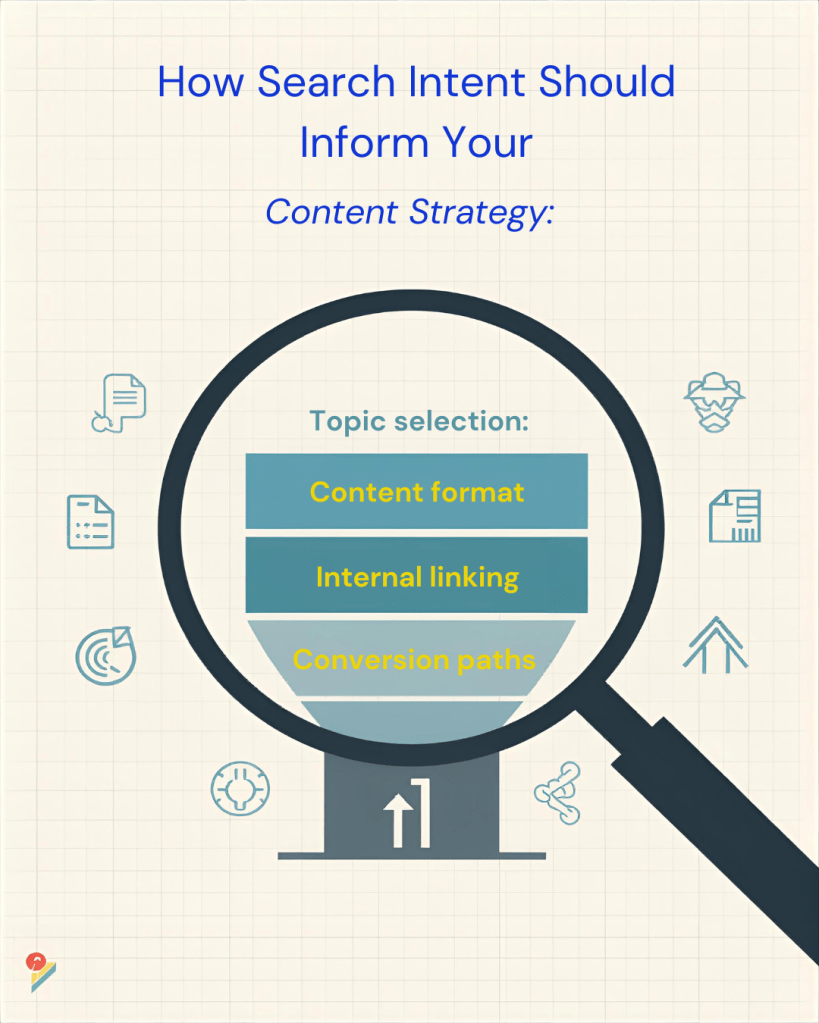
Search intent should guide:
- Topic selection
- Content format
- Internal linking
- Conversion paths
When combined with keyword research and strong writing, intent alignment turns content into a ranking asset, not just a blog post.
Search Intent Is the Difference Between Ranking and Not Ranking
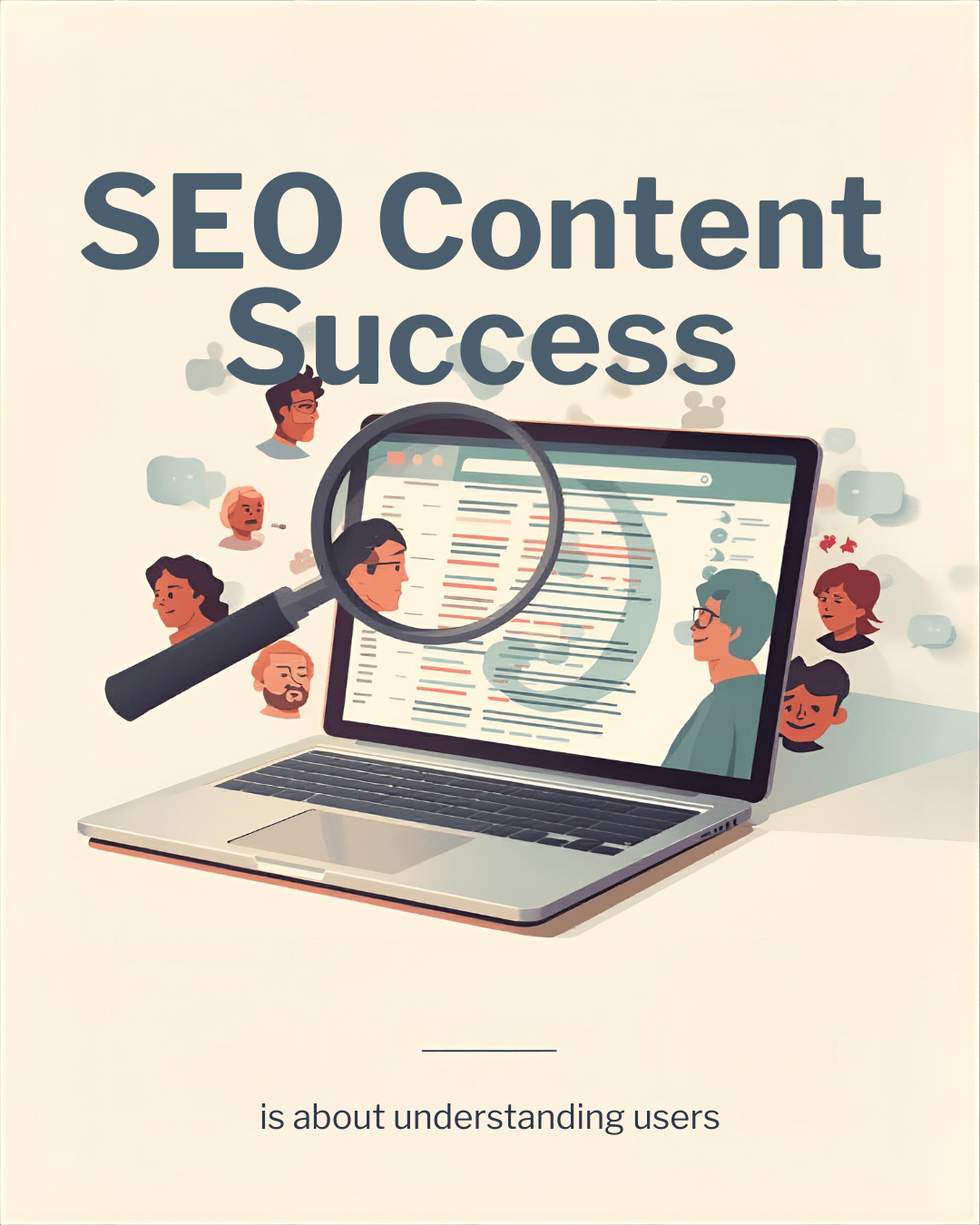
SEO content success isn’t about tricks or hacks. It’s about understanding users.
When your content:
- Answers the right question
- In the right format
- At the right time
Search engines reward it.
Next Steps
If you’re building an SEO content strategy, start by auditing your existing posts:
- Do they match search intent?
- Do they guide users forward?
- Do they support your core pillars?
Explore more resources in the SEO Content Marketing pillar to build content that ranks—and keeps ranking.
**This blog is for informational purposes and is my online content marketing portfolio. Any opinions or statements are mine and do not reflect my employers’ opinions.

 Content and Coaching by Della